
Redlands Corporate Travel Guide
Executive Car Services in Redlands: How to Compare Options for Regular Corporate Travel
Executive car services in Redlands are not all structured the same way. For regular corporate travel, businesses should compare more than vehicle appearance. The stronger comparison includes scheduling reliability, communication, airport support, billing clarity, vehicle fit, service area coverage, and how well the provider handles repeat business travel.
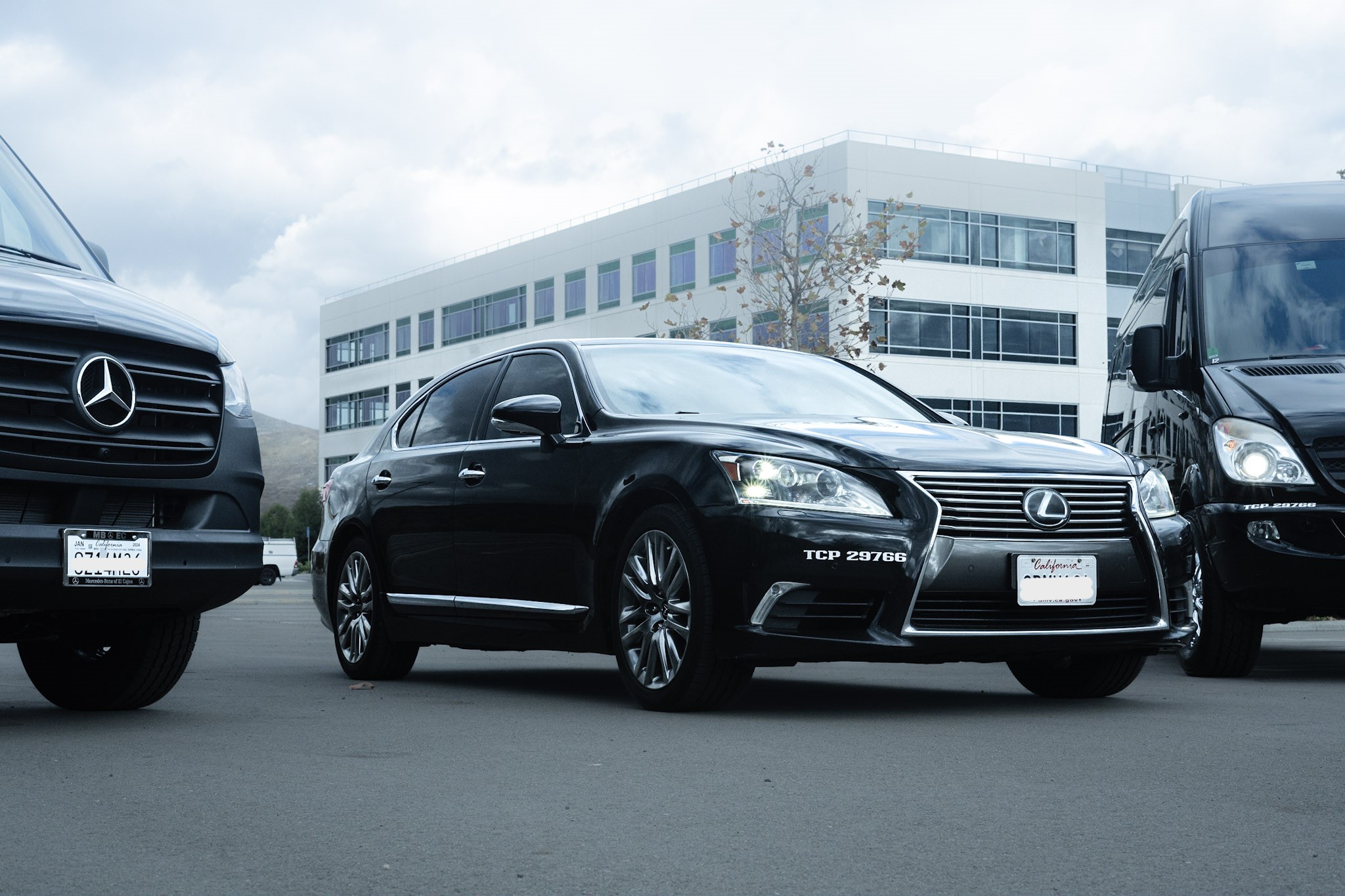
Why Corporate Travel Needs a Careful Comparison
Corporate travel is different from a one-time personal ride. A company may need airport transfers, hotel pickups, client visits, board meeting transportation, executive commuting, conference transfers, or group travel several times per month. When rides repeat, even small service issues can become expensive in time, coordination, and guest experience.
That is why comparing transportation providers should go beyond asking, “Who has a black car available?” A business should look at how the service handles reservations, how clearly it confirms details, whether the vehicle fits the passenger and luggage count, and whether the company can support common Redlands routes to nearby business centers, airports, hotels, and event locations.
The right provider for occasional personal transportation may not always be the right provider for recurring corporate travel. Regular business use often requires clearer scheduling, consistent communication, flexible trip types, reliable airport coordination, and a process that supports assistants, office managers, travel coordinators, or executives booking on behalf of someone else.
For companies comparing executive transportation in Redlands, the goal should be practical. Choose the service that reduces uncertainty, protects the guest experience, and makes repeat bookings easier to manage. A polished vehicle matters, but it is only one part of the decision.
7 Factors to Compare Before Choosing Executive Car Services in Redlands
A useful comparison should be based on repeatable business needs. The following seven factors help companies evaluate whether a provider is a good fit for ongoing corporate transportation.
1. Scheduling Reliability
For regular corporate travel, scheduling reliability is the first priority. A provider should be able to confirm pickup times, addresses, vehicle type, contact details, and route notes clearly. This matters most for early morning pickups, airport transfers, and guest arrivals tied to meetings or events.
2. Communication Process
Corporate transportation often involves more than one person. The passenger may be the guest, while the booker may be an assistant, receptionist, coordinator, or company owner. A good provider should understand who receives updates, who approves changes, and who handles payment questions.
3. Vehicle Fit
A sedan may work for one executive with light luggage. An SUV may be better for airport arrivals, guests with luggage, or passengers who prefer more space. A Sprinter van can be useful for small teams, visiting partners, or corporate groups. Vehicle fit should be based on passenger count, luggage, comfort expectations, and route length.
4. Airport Support
Many corporate itineraries involve Ontario International Airport, LAX, or other Southern California airports. Airport transportation requires extra planning because pickup timing, luggage delays, terminal access, flight changes, and guest communication can affect the ride. Businesses should compare whether the provider is comfortable handling airport details, not just local pickups.
5. Local and Regional Coverage
A Redlands company may need transportation within the city, but regular corporate travel often extends to San Bernardino, Riverside, Ontario, Los Angeles, Palm Springs, or desert communities. A provider with regional route experience can help bookers plan more realistic pickup windows and avoid underestimating drive time.
6. Billing Clarity
For repeated use, billing matters. Companies should ask whether the quote is based on point-to-point service, hourly service, airport transfer, wait time, vehicle type, or added stops. The more regular the travel, the more important it becomes to understand cancellation terms, waiting time policies, after-hours pricing, and payment handling.
7. Professional Fit
Executive transportation is part of the guest experience. The right service should feel professional without being excessive. For client pickups, board travel, executive airport transfers, and business dinners, the service should support a clean, calm, and well-organized arrival rather than a rushed or uncertain ride.
Executive Sedan, SUV, Sprinter, or Hourly Chauffeur?
Choosing the right service type is just as important as choosing the provider. Many business transportation problems happen because the vehicle or booking format does not match the itinerary. A short one-way guest pickup does not need the same structure as a multi-stop executive schedule.
For one passenger or two passengers traveling light, a black sedan can be a practical executive car option. It works well for hotel pickups, office arrivals, point-to-point rides, and local meetings. For airport transfers or longer regional trips, an SUV may be more comfortable because it gives passengers more space and more room for luggage.
For small groups, a Sprinter-style vehicle may reduce coordination problems. Instead of booking multiple cars and hoping everyone arrives together, a group can travel in one vehicle when passenger count and luggage allow. This can be useful for site visits, corporate retreats, conferences, training sessions, and executive teams traveling between Redlands and nearby cities.
Hourly chauffeur service makes sense when the schedule is uncertain. If an executive has several meetings, a guest needs to attend multiple appointments, or the return time may change, hourly service can be easier than scheduling separate one-way trips. For simple one-way travel, point-to-point transportation is often more efficient. For flexible business schedules, hourly chauffeur service may be the better fit.
What Regular Corporate Travel Requires
Regular corporate travel needs a system, not just a ride. If a company books executive transportation every week or several times per month, the provider should be easy to work with repeatedly. That includes saving common preferences, understanding typical routes, handling recurring airport transfers, and coordinating with a consistent company contact.
For example, a Redlands business may regularly host visitors from Ontario International Airport, schedule executive transfers to Riverside, arrange client pickups from local hotels, or send employees to Los Angeles area meetings. These trips may look similar, but each one has different timing and vehicle needs.
For recurring travel, companies should create a simple internal booking checklist. The checklist should include passenger name, mobile number if appropriate, pickup address, destination, date, requested pickup time, vehicle preference, luggage count, flight details if needed, billing method, and the internal contact person. This keeps each booking consistent and reduces missed details.
It also helps to standardize when bookings are made. Waiting until the last minute can limit vehicle availability, especially for early mornings, airport transfers, weekends, large events, and high-demand travel periods. For regular business travel, booking earlier usually improves coordination and reduces scheduling stress.
Airport and Regional Travel Considerations
Airport transportation is one of the most common reasons businesses compare executive car providers. A guest may arrive through Ontario International Airport, LAX, or another Southern California airport before traveling to Redlands. These trips require more detail than a standard local transfer because flight timing and terminal logistics affect the pickup plan.
For Ontario-related travel, businesses can review Ontario Airport transportation. For Los Angeles airport trips, LAX airport transportation may be more relevant. General flight-based bookings can also be planned through airport transportation services.
Regional business travel may also involve nearby cities. Redlands companies may need service to San Bernardino, Riverside, La Quinta, or other Southern California destinations depending on the meeting, hotel, event, or airport connection. In those cases, it can help to review related service areas such as San Bernardino limo service, Riverside limo service, or La Quinta limo service.
For businesses, the key is not just where the car can go. The key is whether the provider can help plan the timing correctly. A short local ride, a freeway commute, and an airport transfer all require different buffers. Regular corporate travel should be planned around arrival deadlines, not only estimated drive time.
Pricing, Billing, and Quote Clarity
Pricing for executive transportation is usually influenced by multiple factors. Common variables include vehicle type, distance, pickup time, waiting time, airport requirements, after-hours timing, additional stops, and whether the trip is point-to-point or hourly. A simple mileage estimate is usually not enough to understand the final cost.
For regular corporate travel, quote clarity is especially important. A business should ask whether the price includes wait time, airport-related fees if applicable, stops, gratuity policy if any, and cancellation terms. If the company will use the service repeatedly, it should also ask how payment is handled and whether the passenger needs to pay directly.
Some companies prefer centralized payment so guests do not have to manage billing. Others may reimburse employees or book each trip individually. The right process depends on the business, but it should be agreed on before the ride. Clear billing prevents awkward guest interactions and makes transportation easier for office staff to manage.
Companies should avoid choosing only by the lowest quoted price. A lower price may be reasonable for basic transportation, but for regular corporate travel, reliability, communication, and scheduling control often matter more. The most useful comparison is value, not just cost.
Pros and Cons of Using Executive Car Service for Corporate Travel
Executive transportation can be a strong fit for many business needs, but it is not automatically the best choice for every trip. A balanced comparison helps companies decide when to use a reserved car service and when another option may be enough.
Pros
- Consistent guest experience: A scheduled ride can create a more organized arrival for clients, executives, speakers, and visiting partners.
- Better coordination: The company can book and manage the ride instead of asking the guest to arrange transportation alone.
- Useful for airport transfers: Flight details, luggage needs, and pickup instructions can be included in the reservation.
- Vehicle selection: The business can choose a sedan, SUV, or group vehicle depending on the trip.
- Professional presentation: A chauffeured vehicle can better match formal business settings.
Cons
- Higher cost: Executive car service usually costs more than basic rideshare or taxi transportation.
- Requires planning: The booker must provide accurate details and confirm timing in advance.
- Availability can vary: Last-minute bookings may not always have the preferred vehicle available.
- Not needed for every ride: Casual employee trips or flexible local errands may not require a chauffeured vehicle.
For high-value guests, time-sensitive meetings, and repeat airport transfers, the advantages often outweigh the cost. For informal or flexible trips, a lower-cost option may be sufficient.
Comparison Table for Business Bookers
| Business Need | Best Transportation Fit | Why It Matters |
|---|---|---|
| One executive traveling locally | Executive sedan or point-to-point car service | Efficient for hotel, office, and meeting transfers |
| Airport arrival with luggage | SUV or airport transportation | More space and better planning for terminal timing |
| Multiple meetings in one day | Hourly chauffeur service | Allows schedule flexibility and reduces rebooking |
| Small team or visiting group | Sprinter van or group transportation | Keeps travelers together and simplifies coordination |
| Client dinner or company event | Event transportation | Supports planned arrival and return coordination |
For companies comparing services, this table can help match the ride type to the actual business need. The best option is not always the most expensive vehicle. It is the option that fits the schedule, passenger count, luggage, route, and level of coordination required.
Planning Regular Corporate Travel with Redlands Limo Service
Redlands Limo Service provides transportation options for business travelers, corporate guests, airport transfers, group movement, and scheduled local or regional rides. Companies can review executive transportation, corporate transportation, group transportation, and Sprinter van service depending on the trip type.
For availability, quote details, or repeat corporate travel planning, call 909-328-4605 or visit https://www.redlandslimoservice.com/. You can also review the local listing through Redlands Limo Service on Google Maps or follow updates through Redlands Limo Service on Facebook.
FAQ About Executive Car Services in Redlands
What should a company compare before choosing an executive car service?
A company should compare scheduling reliability, communication, vehicle options, airport support, service area coverage, billing clarity, and how well the provider handles repeat corporate travel.
Is an executive car service better than rideshare for regular corporate travel?
For important guests, airport transfers, executive schedules, and recurring business travel, a scheduled executive car service usually offers better coordination. For casual rides with flexible timing, rideshare may be enough.
Which vehicle is best for corporate travel in Redlands?
A sedan may fit one or two passengers with light luggage. An SUV may be better for airport transfers or longer trips. A Sprinter van may work better for small teams, guest groups, or business event transportation.
Should regular corporate travel be booked as hourly service?
Hourly service is useful when the schedule includes multiple stops, uncertain meeting lengths, or a need to keep the vehicle available. For one pickup and one destination, point-to-point service may be more efficient.
How should a business handle payment for guest transportation?
The business should confirm payment details before the ride. Many companies prefer centralized payment so the guest does not need to handle billing during pickup or drop-off.
Can executive car service be used for airport transportation?
Yes. Airport transportation is a common use case for executive car service. The booker should provide the airline, flight number, passenger count, luggage count, and preferred pickup instructions.
Takeaway
Comparing executive car services in Redlands for regular corporate travel should focus on consistency, communication, vehicle fit, airport support, regional coverage, and billing clarity. The right choice is not only the vehicle that looks professional. It is the service that helps a business manage repeat rides with fewer delays, fewer unclear details, and a better experience for guests and executives.
For companies that regularly schedule executive transportation, it helps to create a standard booking checklist and choose a provider that can support point-to-point rides, hourly service, airport transfers, group movement, and regional business travel. To discuss a corporate transportation request, contact Redlands Limo Service at 909-328-4605 or visit https://www.redlandslimoservice.com/.
